




How to Choose Commercial Ceiling Speakers for Your Space
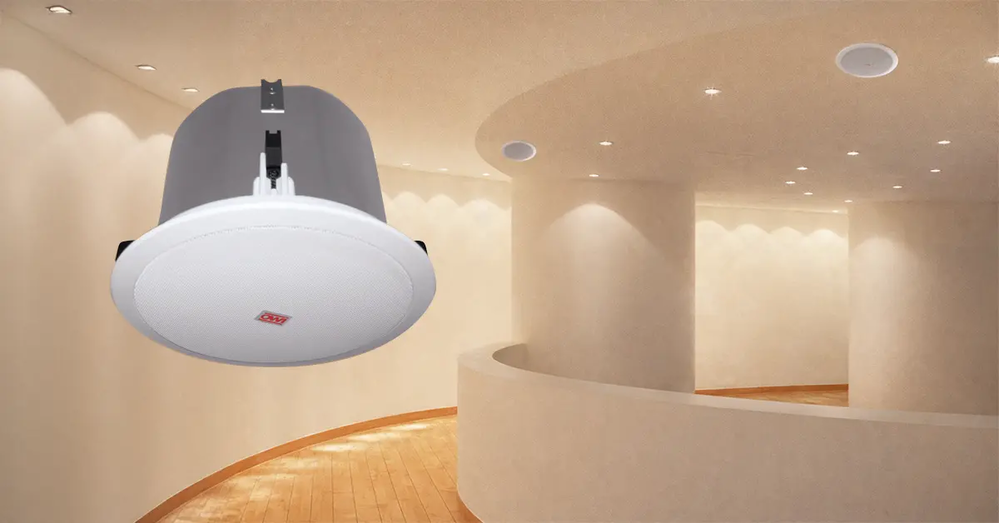
Sound can shape a room more than most people think, and ceiling speakers play a big part in that. They sit out of sight but set the tone for how a place feels, whether it's soft tracks in a café or steady music in a shop. Many teams now use them as a core part of their build plan because they blend form and function so well.
This guide breaks down what you should look for when you choose ceiling speakers for your project, how space and sound goals guide your pick, and how the right setup saves work in the long run.
Key Technical Considerations
The tech side may look dry at first, but it shapes how well the setup works for years. A few core ideas help you sort out what you need fast.
Power & Impedance Matching
Power tells you how much drive a speaker can take. Impedance tells you how it pairs with an amp. When these match, the system works with ease.
A model like the ICM6730SET from OWI-Inc gives you room to work with 25/70/100-volt taps or 8-ohm mode. This helps when you shift from a long-run setup in a shop to a short-run job in a small room. You can run it at low-wattage taps for voice cues or higher ones for music.
Coverage & Dispersion
Spread, or how sound fans out, plays a big part in how smooth the sound feels. A wide spread works well in wide rooms or halls. Chairs, racks, and walls all shape the path of the tone. So you need a speaker that sends sound out with even reach.
Installation Depth & Hardware
The build of the speaker matters too. A tight ceiling gap needs a low-depth model. Rooms with thick tiles need strong hold points.
Both the ICM6730SET and ICM4 come with a built-in metal backcan, grill, and a T-bar bracket. That kind of all-in-one build helps you cut time on-site. It also makes the fit clean and rigid with fewer parts to track.
Commercial installs often place speakers in plenum spaces, the air return area above ceiling tiles. The ICM6730SET's metal backcan isn't just for sound quality; it ensures fire safety by meeting UL 1480 (fire alarm) or UL 2043 (plenum air-handling) standards. This complies with building codes, reduces risk, and makes OWI products a top pick for offices, hotels, and retail.
Product From OWI-Inc In Details
Let’s take a look at how two strong picks from OWI fit real-world needs.
OWI ICM6730SET
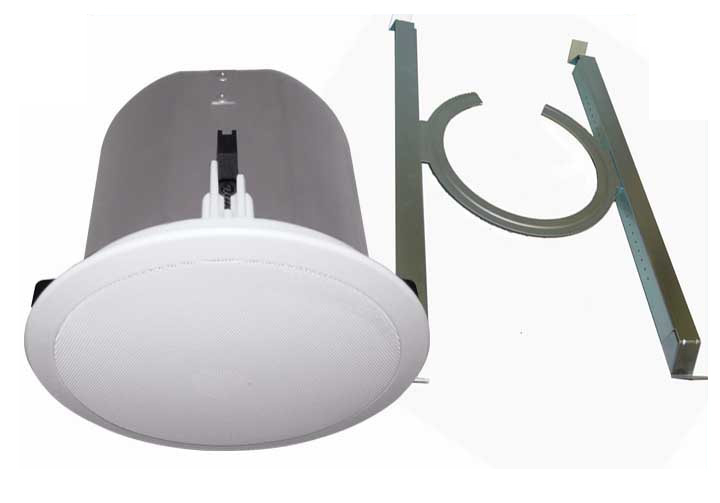
The ICM6730SET gives you a full kit in one box: a 6.5-inch woofer, 1-inch tweeter, transformer, grill, backcan, and T-bar bracket. It works with 25/70/100 volts or 8 ohms, so you can shift between voice, music, or mixed audio use.
It puts out watt choices that fit light tones or loud cues. With taps for 0.2W up to 60W (based on voltage), you get a real range for both small and big jobs.
The paintable white grill blends well, and the metal backcan add a tight, safe fit. You can also use it in covered outdoor spots, which broadens where it can go.
For one of my hotel projects, I used the ICM6730SET across the hallways. The range of watt taps let me tune each zone so guests heard clear cues but not a harsh tone. The install was clean and fast with the T-bar bracket.
OWI ICM4
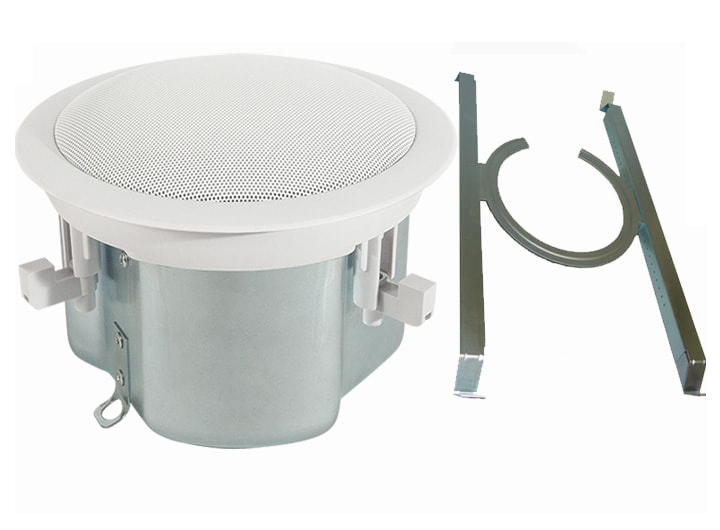
The ICM4 packs a 4-inch woofer and tweeter into a small frame. It comes with the same type of built-in backcan, grill, and T-bar bracket as the larger model. It works with 25/70/100 volts or 8 ohms, which lets you use it in both short- and long-line builds.
This one works well for soft tunes or voice in small rooms, like a café or small shop. I once used it in a small wine bar where the owner wanted soft tracks that did not pull too much focus. The ICM4 was right for that job, and the paintable grill made it blend with the dark ceiling.
Installation and Practical Deployment Tips
Once you pick your gear, you still have a few steps to get the job right.
Wiring & Amplifier Pairing
Good wiring keeps the tone clean and stops drop-offs. Pick wire gauges that fit the run length. Match the amp’s power load with what your speakers can take.
If you use a line with many drops, a 70-volt setup with the ICM6730SET can help keep the tone clean all the way through.
Aesthetic & Structural Considerations
A trim, white grill blends into most rooms, and both OWI models let you paint the grill to match the space. Tile strength, tile depth, and grid type also play a role. T-bar brackets help hold the load, so the tile doesn’t bend or sag.
Clients often tell me they like how the grill sits flat and neat, which helps keep the look of the room calm and clean.
Cost vs. Value in Ceiling Speaker Choices
Price plays a part, but value lasts longer than a one-time buy.
Weighing Initial Cost Against Performance
A low price may look good at first, but a poor tone or short life adds cost down the line. The all-in-one kit you get with OWI models helps cut on-site time and tool needs. One client told me they picked the ICM6730SET not for price alone but to cut back on labor and parts. It paid off when they had fewer callbacks later on.
Future-Proofing Installations
A setup that gives you room to grow helps you later if the space shifts. With taps across a wide range and simple fit points, the ICM6730SET and ICM4 both give you room to change amps, adjust zones, or add more speakers without a full redo.
Conclusion
The process of choosing ceiling speakers may seem like a small part of your build plan, yet smart choices lead to steady sound and fewer site issues later. Models like the ICM6730SET and ICM4 have builds that fit a wide range of zones and styles.
As new audio tools come out, you may see more blending between smart tech and ceiling rigs, but the core ideas in this guide will still help you make clear picks.
If you want to see which model fits your job, take a look at the options on the OWI site.
FAQs
Q1: How do I pick the right number of units for a room?
You can start by checking the room size, shape, and layout. A wide room may need more speakers spaced closer to keep the tone even.
Q2: Can I use the speakers in a damp site?
Both ICM models can work in a covered outdoor area, as long as there’s no direct rain or harsh spray.
Q3: Do I need a strong amp for these speakers?
You just need an amp that matches the watt taps and voltage you plan to use. A good match keeps the tone clean.
Q4: Will a small speaker sound weak?
A small frame like the ICM4 works well for soft tracks and voice in tight rooms. It isn’t weak but tuned for a calmer sound field.
Q5: Can I paint the grill?
Yes, both models come in paintable white, so you can blend them into your room style with ease.


