Media Control Systems
Control systems are a critical foundation of modern audio and audiovisual environments. They enable structured management of audio sources, signal routing, amplification, and output control across a wide range of commercial and institutional applications. Rather than operating devices individually, control systems allow multiple components to function together as a single, coordinated system.
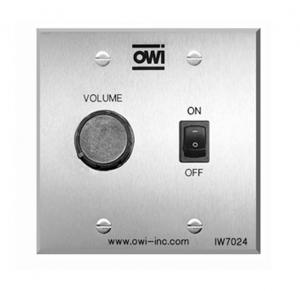
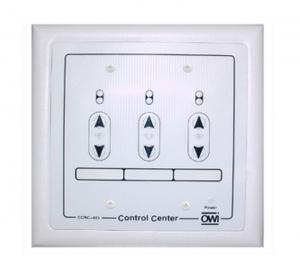
(LIMITED QUANTITIES) CCRC403: Control Center (Limited Quantities Available)
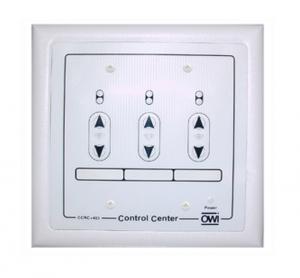
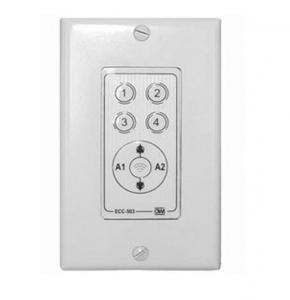

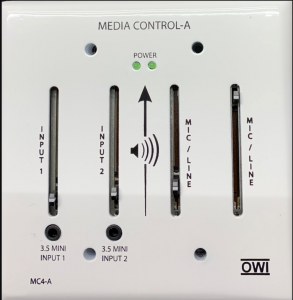
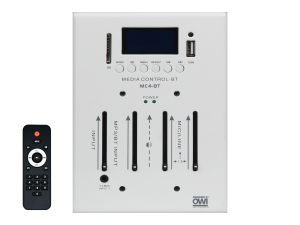
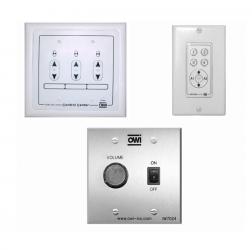
Control Systems for Integrated Audio and AV Environments
Control systems are a critical foundation of modern audio and audiovisual environments. They enable structured management of audio sources, signal routing, amplification, and output control across a wide range of commercial and institutional applications. Rather than operating devices individually, control systems allow multiple components to function together as a single, coordinated system.
In environments such as classrooms, conference rooms, healthcare facilities, and commercial spaces, control systems simplify operation while improving consistency and reliability. Below the fold, this content explains how control systems work, why they matter, and how to evaluate them for different audio applications.
What Is a Control System?
A control system is a set of components designed to manage and regulate the behavior of connected devices. In audio and AV installations, control systems handle tasks such as selecting audio sources, routing signals, adjusting volume levels, and managing automated behaviors.
Instead of relying on manual adjustments across multiple devices, a control system centralizes control into a structured framework. This reduces complexity, improves system stability, and ensures predictable performance across different use cases and environments.
Why Control Systems Are Essential in Audio Applications
Audio systems require consistency, clarity, and ease of use. Control systems address these needs by providing centralized oversight and repeatable configurations.
Centralized Audio Management
Control systems allow multiple audio inputs and outputs to be controlled from a single interface. This reduces setup time, minimizes user error, and simplifies day to day operation.
Consistent Sound Performance
By managing signal flow and output behavior, control systems help maintain balanced audio levels across rooms, zones, or speaker groups. This is especially important in shared or multi use spaces.
Improved Operational Efficiency
Automation and preset configurations reduce the need for constant manual adjustments. Once configured, systems can operate reliably with minimal intervention.
Core Components of Audio Control Systems
Understanding the structure of control systems helps clarify how they support stable and scalable audio environments.
Input Interfaces
Input interfaces accept audio signals from microphones, media players, computers, Bluetooth sources, or digital connections. Flexible control systems support multiple input types to accommodate different audio sources.
Controllers
Controllers serve as the decision making units within the system. They interpret user commands or automated rules and determine how audio signals are processed and routed.
Output Routing
Output routing directs processed signals to amplifiers, speakers, or distribution networks. Efficient routing ensures clear audio delivery with minimal signal loss.
User Control Interfaces
User interfaces may include physical knobs, wall mounted panels, remote controls, or software based interfaces. These allow both technical and non technical users to operate the system confidently.
Open Loop and Closed Loop Control Systems
Control systems generally operate using one of two logic models depending on system requirements.
Open Loop Control Systems
Open loop systems execute commands without monitoring the final output. They are commonly used in stable environments where conditions do not change frequently and predictable behavior is sufficient.
Closed Loop Control Systems
Closed loop systems use feedback to monitor output performance and make automatic adjustments. This approach improves accuracy and consistency, especially in environments where conditions vary.
Types of Control Systems Used in AV Installations
Different environments require different levels of control and system flexibility.
Media Control Mixers
Media control mixers manage multiple audio sources within a single system. They are commonly used in classrooms, meeting rooms, and presentation spaces where simple and reliable audio control is required.
Centralized Control Units
Centralized control units manage audio across multiple rooms or zones. These systems are ideal for large facilities that require unified control from a central location.
Integrated Amplification and Processing
Some control systems combine amplification and signal processing into a single platform. This reduces hardware complexity and simplifies installation and maintenance.
Common Applications of Control Systems
Control systems are used across a wide range of industries and environments.
Educational Facilities
Control systems enable instructors to manage microphones, playback devices, and classroom audio with minimal setup and training.
Corporate and Conference Spaces
They support smooth transitions between presentations, video conferencing, and background audio without technical disruption.
Hospitality and Commercial Spaces
Control systems allow centralized management of background music, paging systems, and event audio across multiple areas.
Healthcare and Institutional Environments
Reliable control systems support clear communication and consistent audio performance in critical operational spaces.
How to Choose the Right Control System
Selecting the appropriate control system depends on the specific needs of the environment.
System Size and Coverage
Consider how many rooms, zones, or audio outputs the system must support now and in the future.
Input and Connectivity Requirements
Ensure the system supports the required audio sources including wired, wireless, and digital inputs.
Scalability
Modular and expandable systems allow growth without requiring a full system replacement.
Ease of Use
Simple and intuitive interfaces reduce training time and help prevent operational errors.
Frequently Asked Questions About Control Systems
What does a control system do in an audio setup?
A control system manages audio inputs, signal processing, routing, and outputs to ensure consistent sound performance and simplified operation.
Are control systems only used in large installations?
No. Control systems are used in both small rooms and large multi zone facilities depending on complexity and control needs.
Can control systems support wireless audio sources?
Yes. Many modern control systems support Bluetooth and other wireless input options.
Do control systems reduce the need for manual adjustments?
Yes. Automation and preset configurations significantly reduce the need for ongoing manual control.
How do control systems improve system reliability?
They standardize operation, reduce human error, and ensure predictable performance across different environments.